SUSTAINABLE HEAVY-DUTY INITIATIVES FOR FUTURE TECHNOLOGY

Project

Gold Rush Fishing

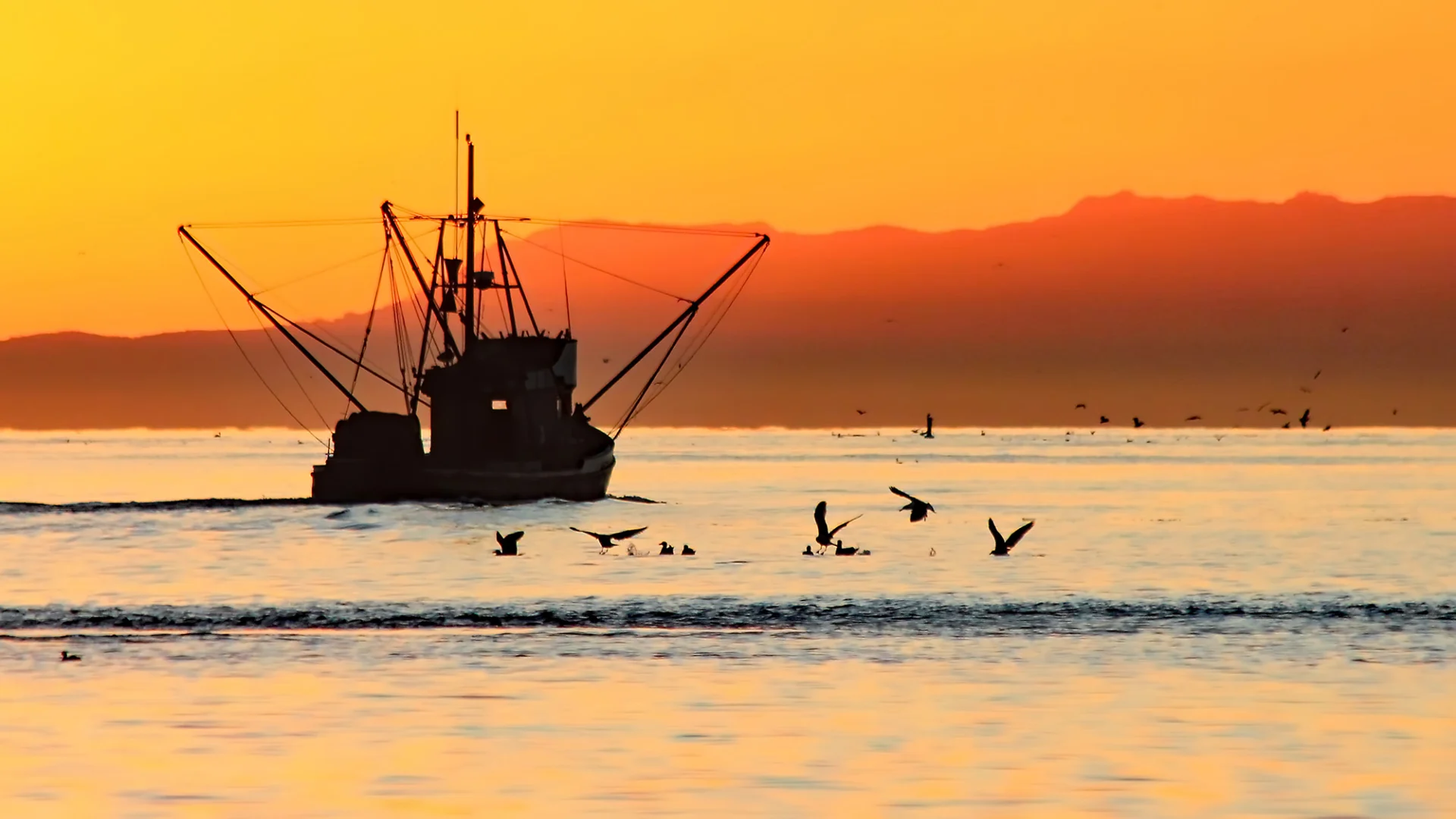
SF Fishing: Conversion and Electrification of the Gold Rush Commercial Fishing Vessel

The Gold Rush project will electrify the Gold Rush commercial fishing vessel, converting two uncontrolled diesel engines and an uncontrolled diesel auxiliary engine to two electric motors, a semi-solid-state batteries, and a Tier IV + DPF diesel generator. This project will demonstrate the feasibility of converting a commercial fishing vessel to a ZEAT hybrid system, significantly reducing emissions while maintaining the performance needed for commercial fishing operations. It will also collect data on the impact of electrification (noise reduction compared to diesel) on fish behavior, showcase the technology to the broader fishing community, and foster inclusive workforce development in the marine sector.

Expected Benefits:

The San Francisco Gold Rush Fishing Project will deliver significant voluntary emissions reductions ahead of regulatory deadlines, offering both immediate and long-term environmental benefits through cleaner engine technology and reduced greenhouse gas emissions. Benefits include:
  • Reduction of 3,049 metric tons of CO₂e (carbon dioxide equivalent).
  • Reduction of 7,747 pounds of NOx (nitrogen oxides).
  • Reduction of 37 pounds of DPM (diesel particulate matter).
  • Reduction of 36 pounds of PM2.5 (particulate matter ≤2.5 microns).
  • Reduction of 33 pounds of ROG (reactive organic gases).
  • Annual reduction of 3.1 weighted tons of criteria pollutants.
  • Voluntary total reduction of 21.7 U.S. tons of PM2.5, NOx, ROG, and DPM.
  • Elimination of 412 metric tons of CO₂e (carbon dioxide equivalent) compared to EPA Tier III-compliant engine repowers.
  • Emissions reductions achieved ahead of regulatory compliance deadlines.
  • Significant greenhouse gas benefits beyond baseline regulatory requirements.
  • Advancement of clean construction practices and low-emission technologies.

Outreach/Workforce Components:

This project will support three primary workforce development efforts aligned with Standard Occupational Classifications (SOCs) recognized by the California Employment Development Department and the Bureau of Labor Statistics. First, vessel operators will need trained mechanics familiar with electric propulsion systems, classified under SOC 49-2093 (Electrical and Electronics Installers and Repairers, Transportation Equipment). In support of this effort, California Department of Industrial Relations approved the first apprenticeship program in California for marine electric propulsion to train apprentices to have the requisite workforce skills. Second, to support expanded and ongoing electric vessel operations, vessel operators will hire staff across multiple roles, including captains, mates, and pilots (53-5021); non-retail sales supervisors (41-1012); transportation attendants (53-6061); and additional mechanics (49-2093). Third, project partner ZeroMar will expand its marine electrification installation team, creating skilled roles in electric systems installation (49-2093). Recognizing the underrepresentation of disadvantaged community members in the marine sector, the project is committed to inclusive recruitment and hiring practices that reflect the diversity of the broader community.

Vehicles/Equipment Funded:

Commercial fishing vessel: four 190 kW motors, 515376 kWh of semi-solid-state batteries, and a EPA Tier IV + DPF 305 kW M&H 6090 DC generator.

Lessons Learned:

Not applicable at this time.

Status Updates:

Semi-solid state batteries, auxiliary generator, and the electric propulsion system on order.

Technology:

Tags:

Vehicles / Equipment Status:​

Infrastructure Status:

Project Facts​

  • DATES: June 2025 – June 2027
  • GRANTEE: Clean Coalition
  • PARTNERS: ZeroMar, EPTechnologies, Canal Alliance (workforce development organizations)
  • LOCATION: Richmond, California
  • GRANT NO.: G24-ATDP-11

Grant Amount​

  • CARB Contribution: $2,421,386
  • Matching Funds: $567,278.44
  • Moyer: $921,000
  • PROJECT TOTAL: $3,909,664.44

Partners