If you have any questions about CARB, please visit their website here.
Project
Frito-Lay Zero and Near-Zero Emission Project
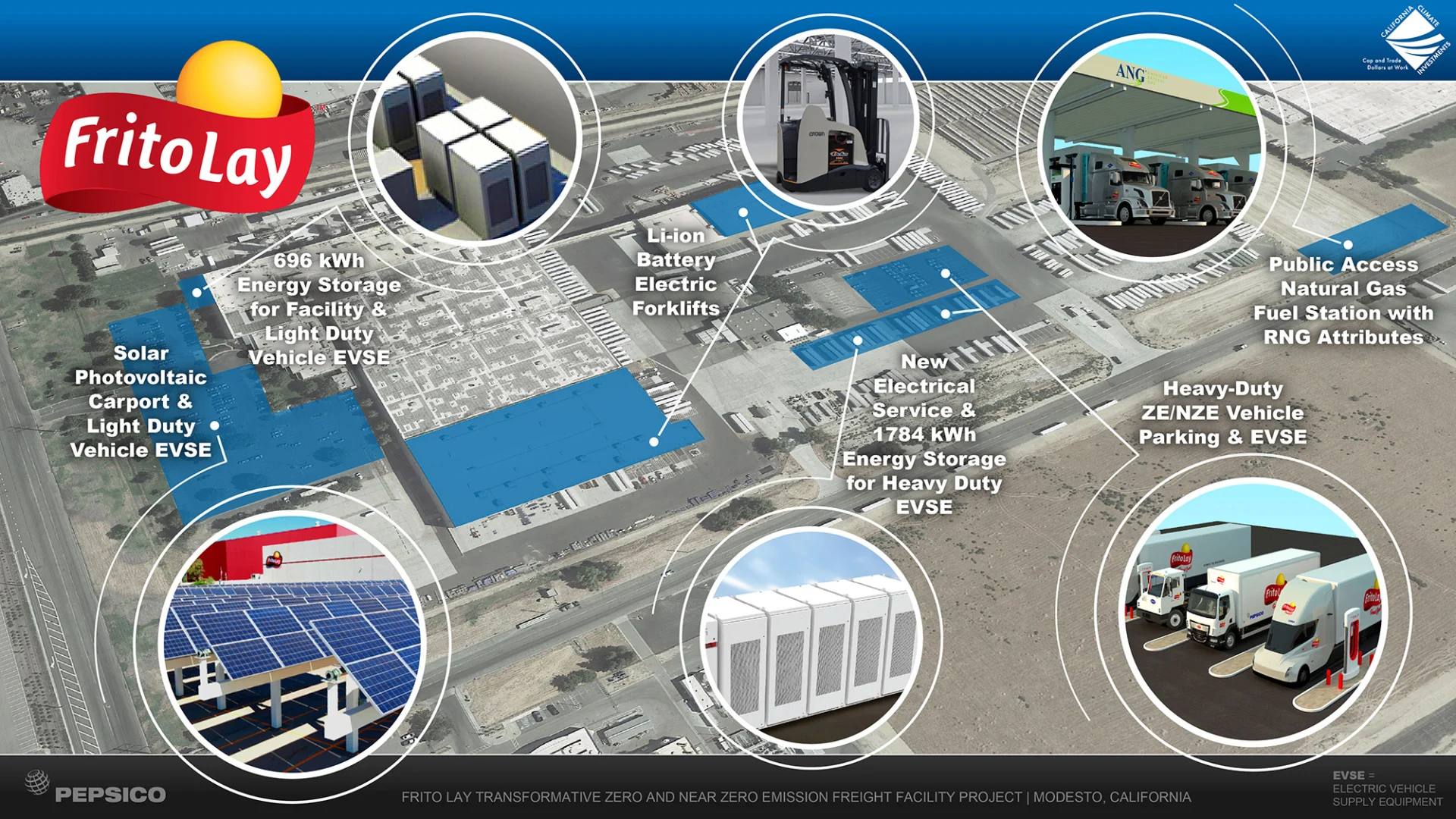
The project integrated an array of commercially available and pre-commercial zero-emission (ZE) and near-zero-emission (NZE) technologies. The San Joaquin Valley Air Pollution Control District partnered with Frito-Lay, a division of PepsiCo, to create a leading example of sustainable manufacturing, warehousing, and distribution. The project transformed Frito-Lay’s 500,000-square-foot Modesto, California, facility—one of its largest in the U.S.—by integrating ZE and NZE technologies across multiple operations. Frito-Lay aims to fully replace its diesel-powered freight equipment with ZE and NZE alternatives. The project deployed a mix of clean technologies, along with on-site renewable energy generation (solar PV) and energy storage systems, to meet the facility’s power needs and support its environmental goals.
Vehicles/Equipment Funded:
Vehicles:
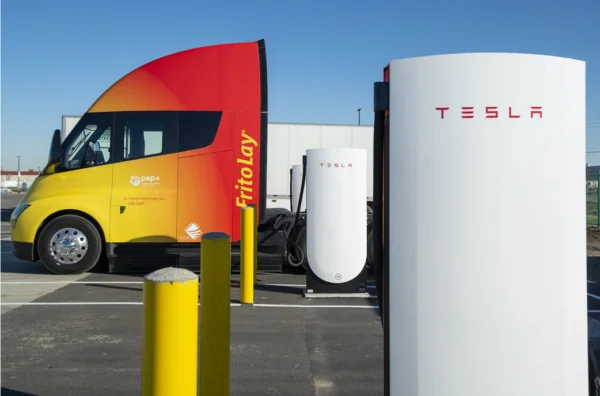
Fifteen (15) Tesla heavy-duty battery electric tractors
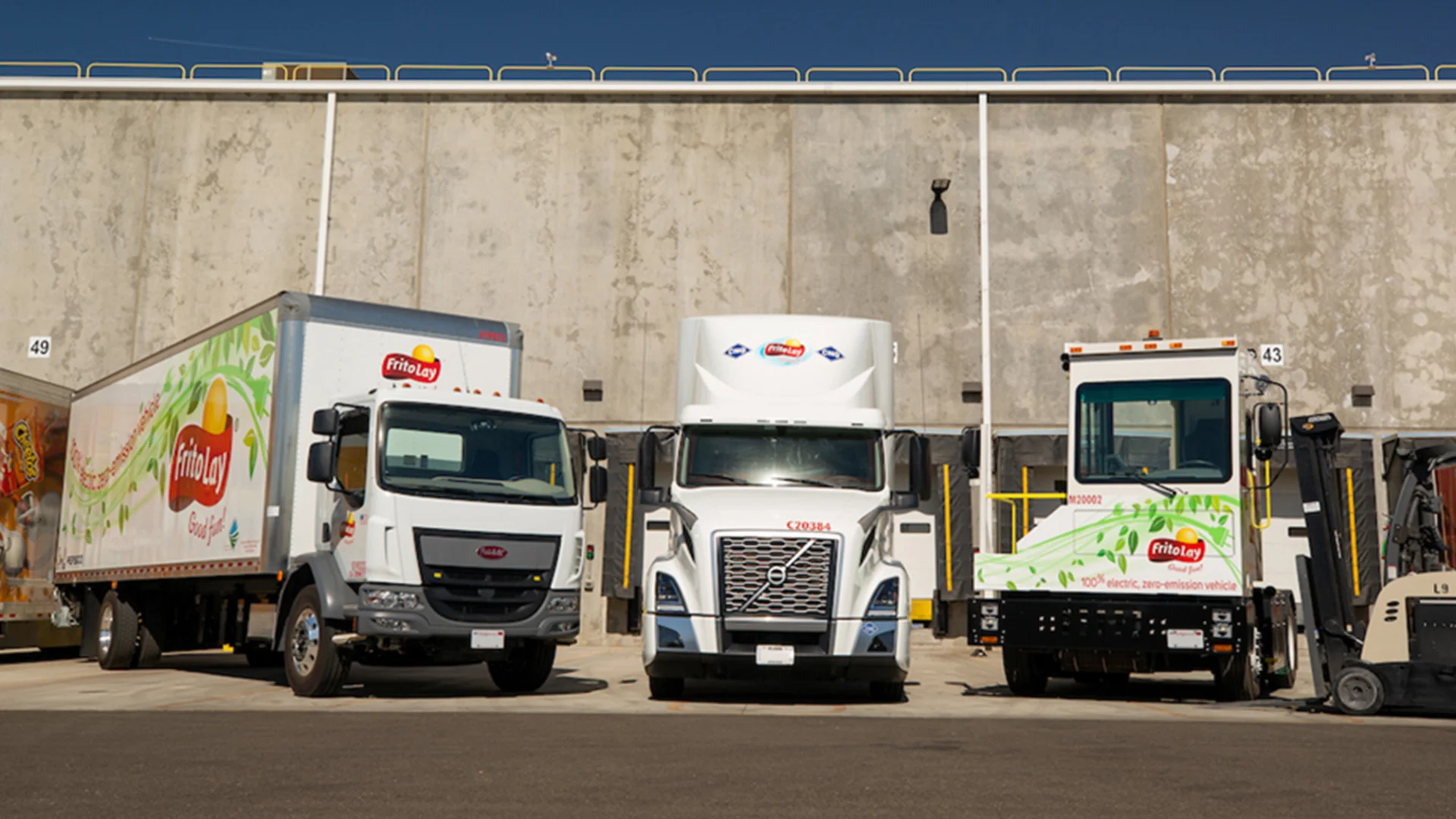
Six (6) Peterbilt 220 EV battery electric trucks
Three (3) BYD battery electric yard trucks
Twelve (12) Crown Lithium-Ion battery electric forklifts
Thirty-Eight (38) Volvo VNL tractors with ISX12N low NOx engine
Equipment:
Compressed natural gas fueling station providing renewable fuel
1 MW solar carport with energy storage
Truck charging infrastructure and energy storage for battery electric vehicles
Lessons Learned:
Start the contracting process with all subcontractors as early as possible.
Engage utilities as early as possible.
Ensure that project is priced and scoped with prevailing wage and California Public Works requirements.
Assemble a project team with a diverse set of perspectives and expertise to ensure success.
Status Updates:
All vehicles are in-service, and all infrastructure is complete.
The deployment of ZE and NZE technologies were not only possible facility-wide, but operated cleaner and more efficiently than their diesel counterparts. The success of this project will assist similar fleet owners on the benefits of the technology and pave the way for additional projects in the future.