SUSTAINABLE HEAVY-DUTY INITIATIVES FOR FUTURE TECHNOLOGY

Project

California Zero-Emission Aviation Demonstration Project

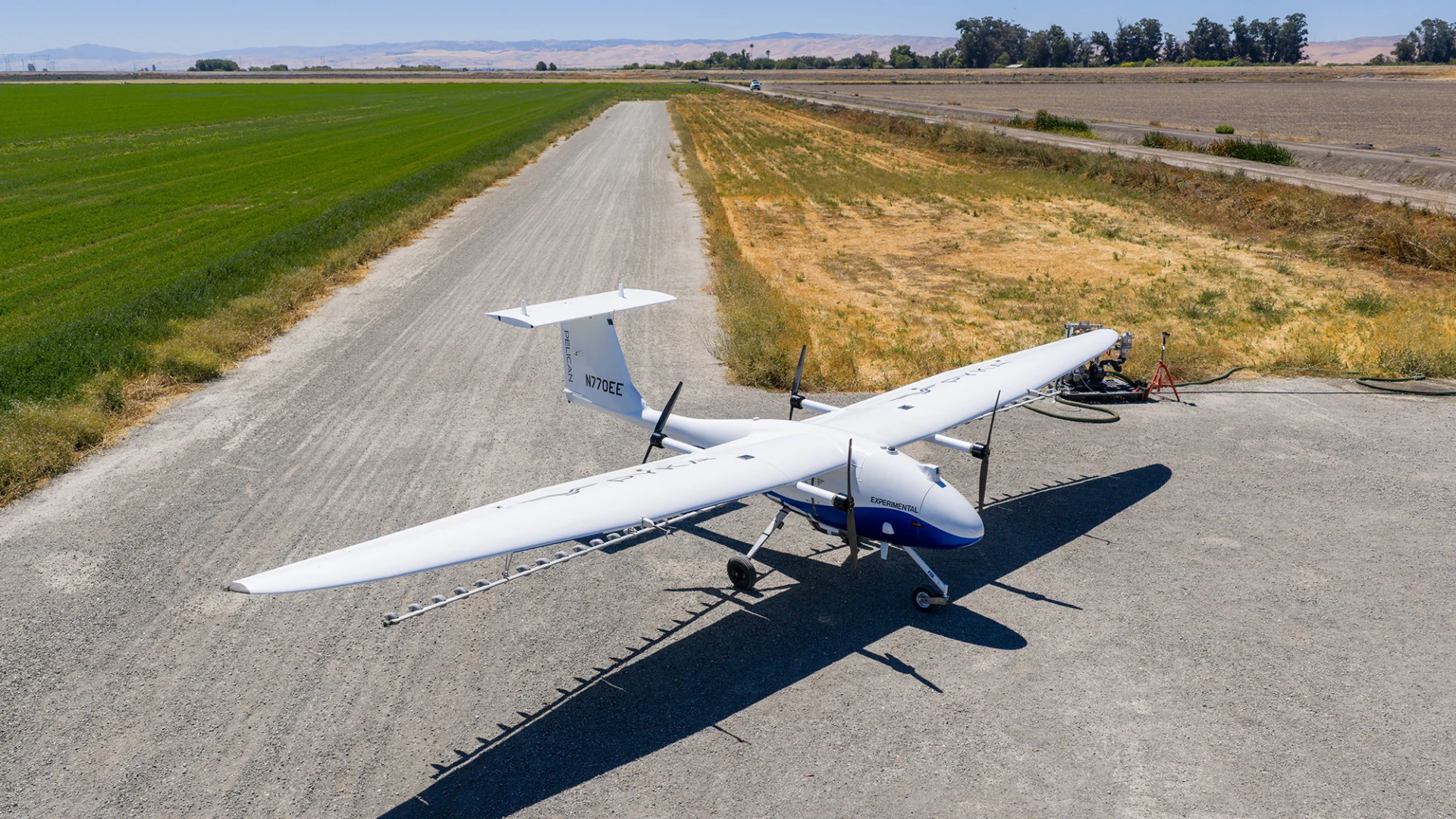
Aviation is a growing contributor to global climate change – and is one of the last transportation sectors to make meaningful progress to electrify and eliminate mobile emissions. The California Zero-Emission Aviation Demonstration Project aims to accelerate the electrification of the aviation industry. Located on Victoria Island Farms within a disadvantaged community in the San Joaquin Valley, the Project will demonstrate 5 FAA-approved, zero-emission, autonomous aircraft — the Pelican 2 Spray from California-based Pyka — to apply agricultural chemicals to some of California’s most valuable crops. The aircraft will be powered by 3 off-grid solar mobile charging systems and supported by 2 zero-emission pick-up trucks for repositioning the aircraft around the farm.

Expected Benefits:

This project will be the first California-based deployment to demonstrate the innovation and economic viability of autonomous, zero-emission aviation, accelerating commercial adoption in the agriculture industry and paving the way for broader electrification of aviation in California and beyond. By eliminating mobile emissions in agricultural aviation, the project supports clean technology deployment in underserved rural areas. Benefits include:
  • Reduction of 7,221 metric tons of CO₂e (carbon dioxide equivalent).
  • Reduction of 17,947 pounds of NOx (nitrogen oxides).
  • Reduction of 3,451 pounds of ROG (reactive organic gases).
  • Reduction of 572 pounds of PM2.5 (particulate matter 2.5 microns).
  • Reduction of 622 pounds of DPM (diesel particulate matter).
  • Elimination of emissions from agricultural aviation operations.
  • Reduced chemical spray drift and minimized chemical application.
  • Lowered noise pollution in surrounding rural communities.
  • Direct benefits to priority populations in underserved agricultural regions.

Outreach/Workforce Components:

FoundationCCC, in collaboration with Pyka and key training partners, will develop a robust, equity-focused workforce development and training plan. This plan will establish clear training and hiring pathways, providing community college students with meaningful paid work experience and placement in living-wage, green jobs. Community-based organizations—including NPower California and the Bay Area Community College Consortium—will support implementation, with a focus on serving disadvantaged communities near Victoria Island Farms, Pyka’s Oakland facilities, and across California.

Vehicles/Equipment Funded:

Five zero-emission autonomous aircraft; Two zero-emission pickup trucks and three off-grid solar mobile charging systems.

Lessons Learned:

Not applicable at this time.

Status Updates:

  • First aircraft and charging system began testing in late 2025 and a second aircraft began testing in April 2026. Spray operations are expected to begin summer 2026.
  • The second and third runways are under construction with completion anticipated by June 2026.
  • Planning continues for expanded operations when all aircraft enter service in the fall.

Technology:

Tags:

Vehicles / Equipment Status:​

Infrastructure Status:

Project Facts​

  • DATES: April 2025 – May 2028
  • GRANTEE: Foundation for California Community Colleges
  • PARTNERS: Pyka Inc., Victoria Island Farms, Ogive Technology, Inc., NPower California, Bay Area Community College Consortium
  • LOCATION: Victoria Island Farms, Holt, CA
  • GRANT NO.: G24-ATDP-09

Grant Amount​

  • CARB Contribution: $7,666,741
  • CEC Contribution: $1,162,610
  • Matching Funds: $2,961,729
  • CEC Cash Match: $414,400
  • PROJECT TOTAL: $11,791,080

Partners